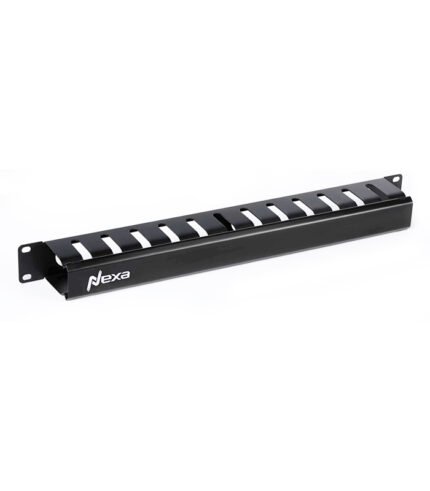
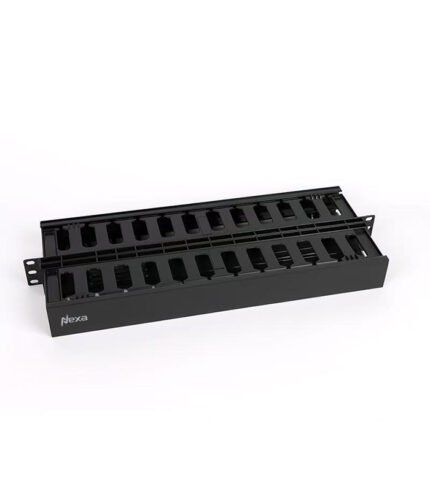
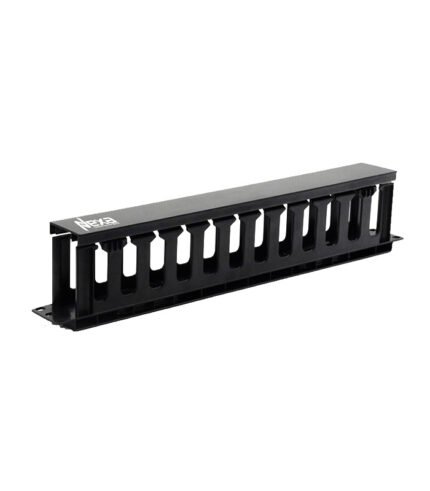
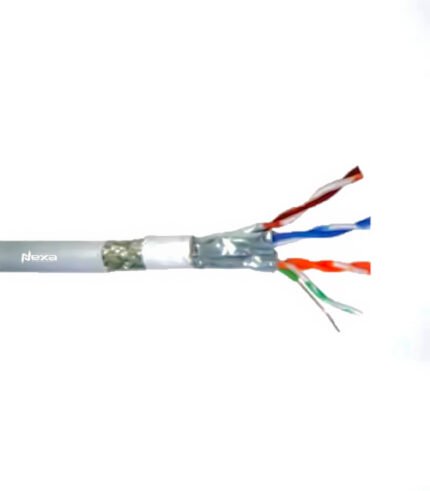
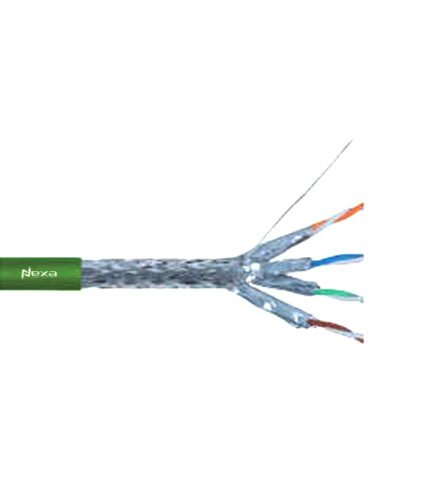
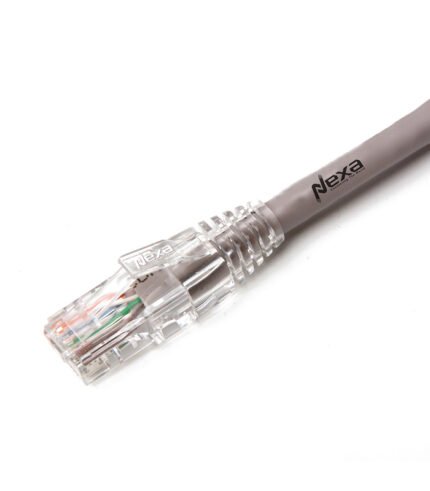
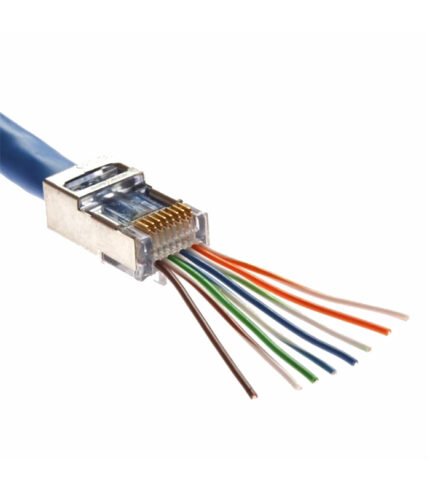
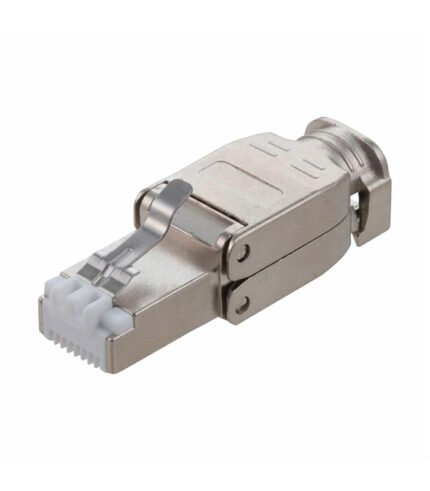
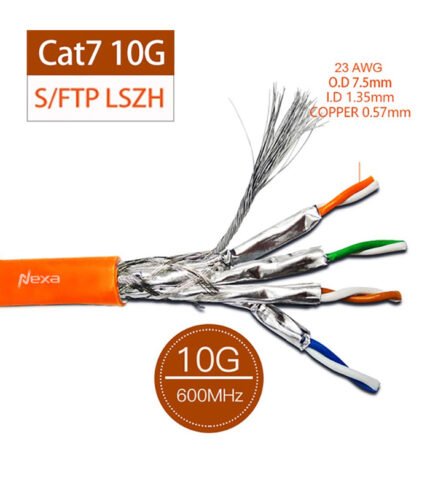
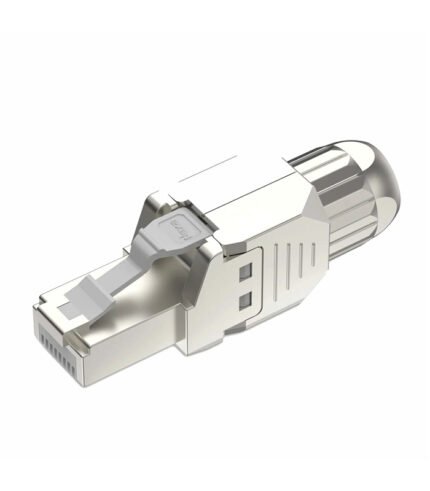
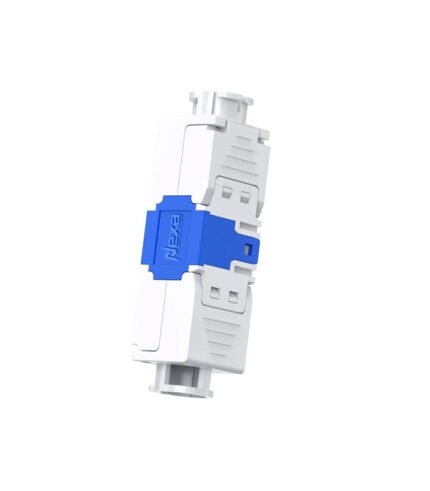
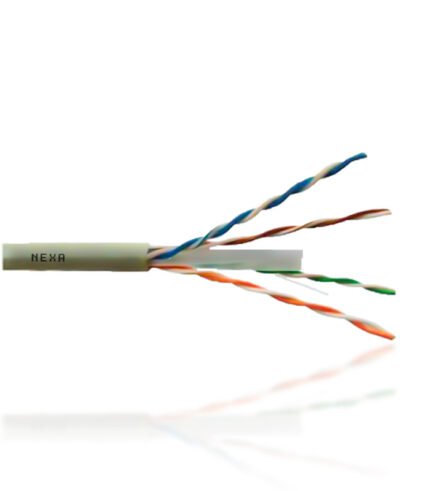
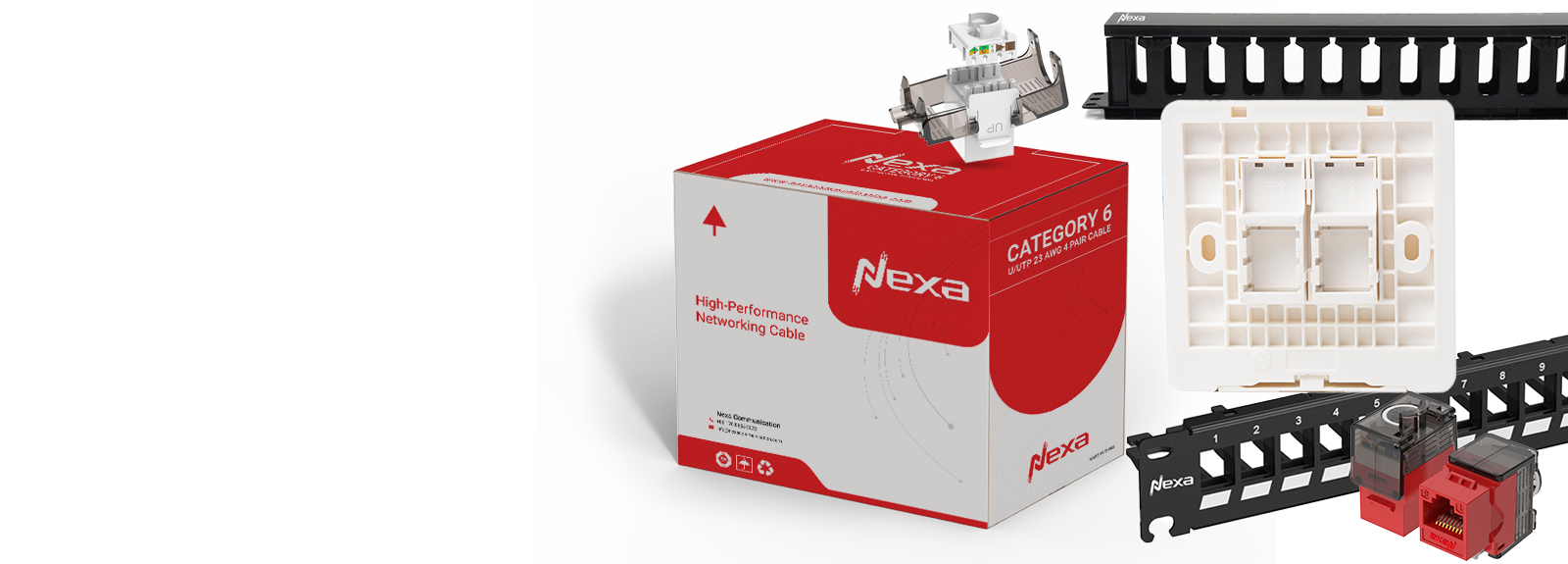
Nexa Communication provides a full range of professional cabling infrastructure products, including Data Cable, Keystone Jack, Face Plate, Patch Panel, Patch Cord, Cabling Management, Connector & Boot Cap, and Rack & Cabinet Solutions.
Designed for reliability and high performance, our solutions ensure seamless connectivity, organized networking, and long-term durability for modern IT environments.
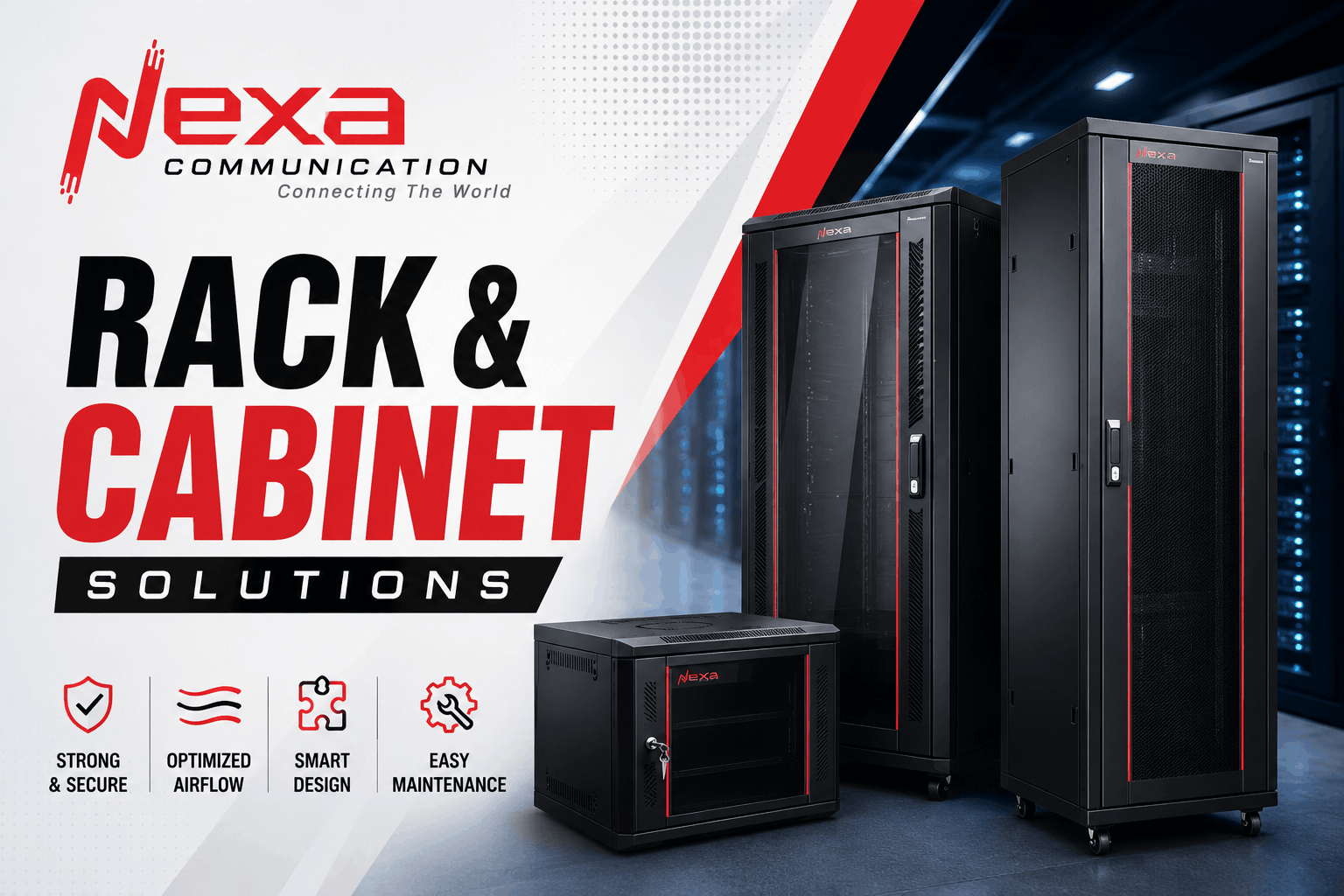
Nexa Communication’s Rack & Cabinet Solutions are designed to securely house, organize, and protect your networking and server equipment. Built with durable materials and optimized airflow, these solutions ensure efficient cable management, easy installation, and reliable performance—making them ideal for data centers, IT rooms, and enterprise environments.
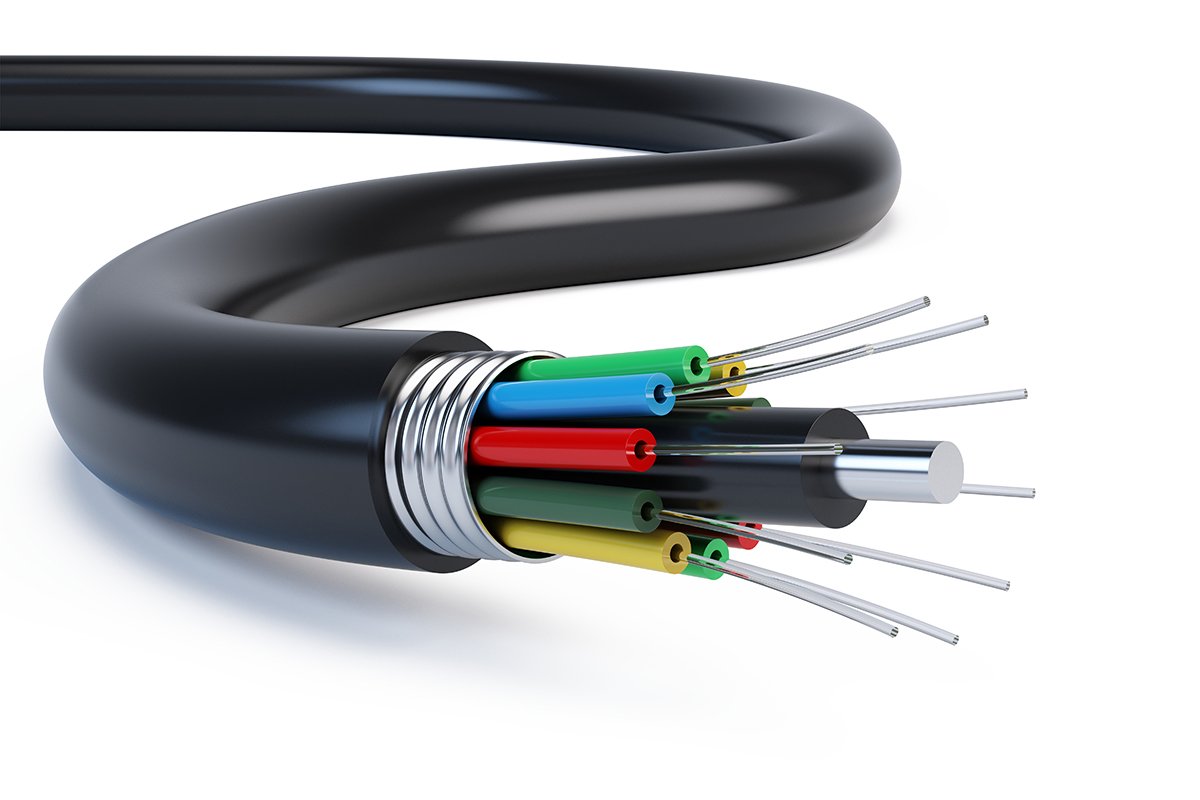
Fiber infrastructure refers to a network of fiber-optic cables that transmits data using pulses of light, forming the backbone of modern high-speed communication.
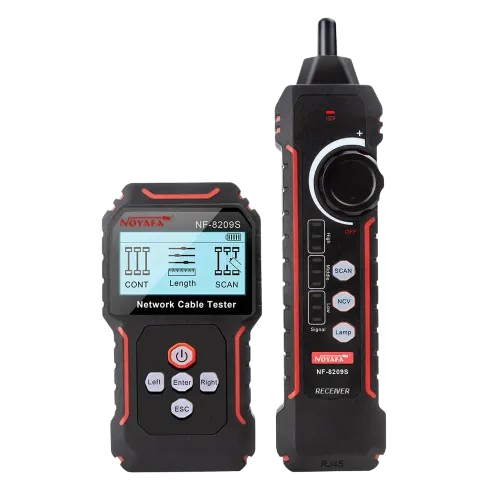
"Tools & Tester" can refer to both Information and Communications Technology (ICT) hardware installation/maintenance tools and specialized In-Circuit Test (ICT) equipment used in electronics manufacturing.
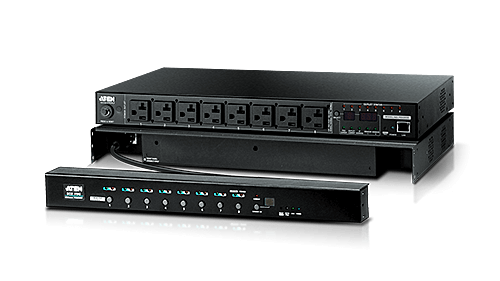
Power management is a broad term referring to strategies, technologies, and systems designed to monitor, control, and optimize the consumption and distribution of electrical power.
A "smart solution" is a technology-based approach that integrates devices, data processing, and automation to streamline processes, improve efficiency, and enhance user experience across various applications, from homes to entire cities.
Nexa Communication provides a full range of professional cabling infrastructure products, including Data Cable, Keystone Jack, Face Plate, Patch Panel, Patch Cord, Cabling Management, Connector & Boot Cap, and Rack & Cabinet Solutions.
Designed for reliability and high performance, our solutions ensure seamless connectivity, organized networking, and long-term durability for modern IT environments.
Nexa Communication’s Rack & Cabinet Solutions are designed to securely house, organize, and protect your networking and server equipment. Built with durable materials and optimized airflow, these solutions ensure efficient cable management, easy installation, and reliable performance—making them ideal for data centers, IT rooms, and enterprise environments.
Fiber infrastructure refers to a network of fiber-optic cables that transmits data using pulses of light, forming the backbone of modern high-speed communication.
"Tools & Tester" can refer to both Information and Communications Technology (ICT) hardware installation/maintenance tools and specialized In-Circuit Test (ICT) equipment used in electronics manufacturing.
Power management is a broad term referring to strategies, technologies, and systems designed to monitor, control, and optimize the consumption and distribution of electrical power.
A "smart solution" is a technology-based approach that integrates devices, data processing, and automation to streamline processes, improve efficiency, and enhance user experience across various applications, from homes to entire cities.
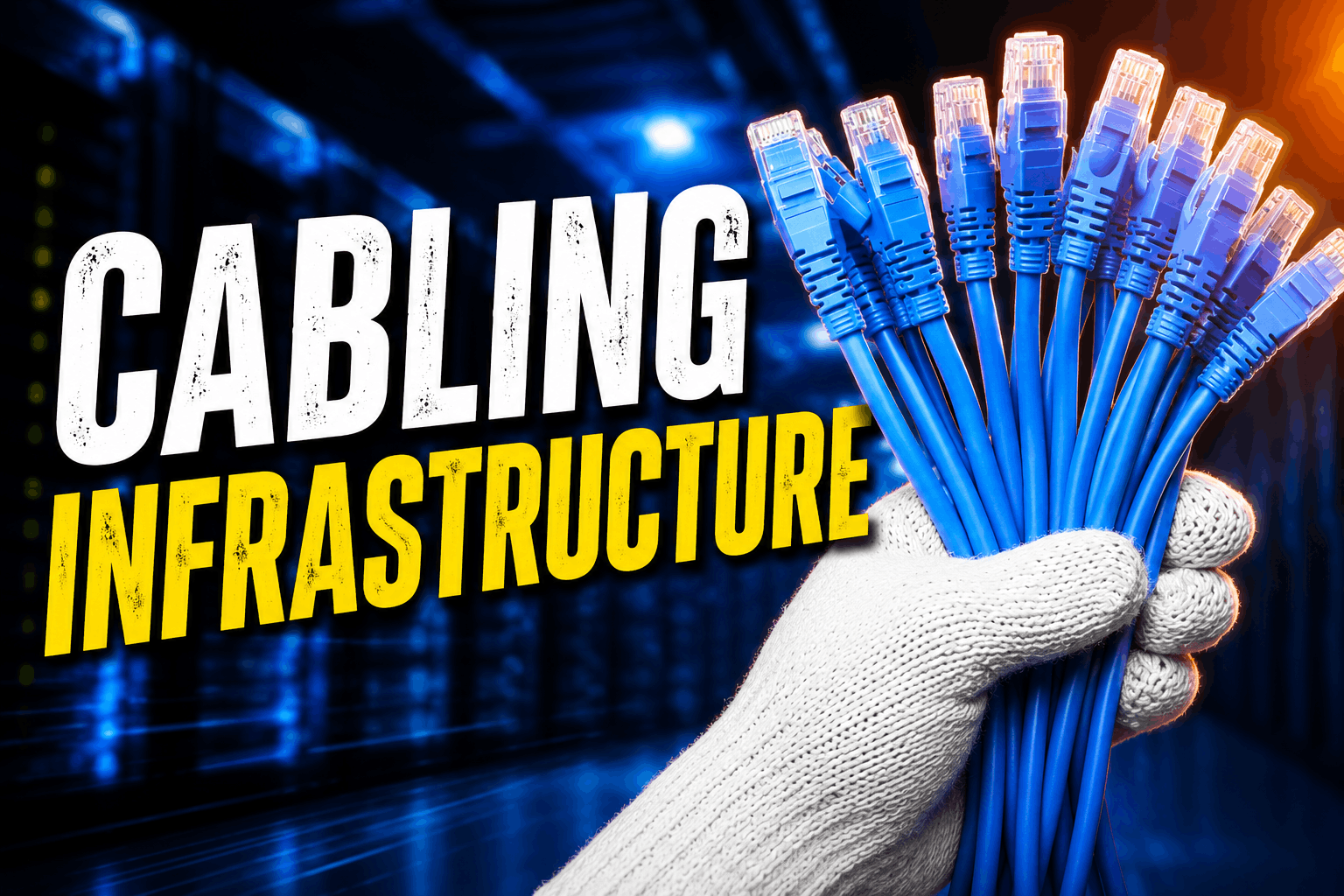
Cabling infrastructure is the structured arrangement of cables and associated hardware that forms the backbone for telecommunications and data transmission in a building or campus. It includes organized networks of various cables like twisted pair, fiber optic, and coaxial that connect devices such as computers, routers, and phones, supporting a wide range of applications from voice to data and video conferencing. A well-designed and installed system is crucial for consistent performance, easy management, and future scalability.
Cabling Infrastructure
At Nexa, we know having an organized business network is imperative for productivity and growth.
A structured cabling system is the organized layout of cabling to support a company's or building's telecommunications needs.
It acts as the "roadway" for data and voice communications, enabling devices like computers, switches, and routers to connect and transmit information.
The infrastructure connects all the elements of a network, from the point where external lines enter a building (entrance facilities) to the connections at workstations.
Key components and types
Cables: The physical medium for data transmission. Common types include unshielded twisted pair (UTP), shielded twisted pair (STP), fiber optic, and coaxial cables.
Hardware: This includes patch panels, racks, connectors, and network equipment like switches and routers.
Entrance facilities: The point where external cables enter a building and connect to the internal network through various devices and protection systems.
Benefits of a structured system
Reliable performance: An organized system ensures predictable and consistent performance for all connected devices.
Easy management: A standardized and organized infrastructure makes it simpler to manage, troubleshoot, and find faults.
Flexibility and scalability: A properly designed system can accommodate new devices, moves, and changes easily, and is built with future needs in mind.
Future-proofing: Installing higher-quality cabling (e.g., Cat 6 or Cat 7) upfront helps ensure the infrastructure can support higher data speeds in the future without needing to be replaced.
Nexa Communication provides a full range of professional cabling infrastructure products, including Data Cable, Keystone Jack, Face Plate, Patch Panel, Patch Cord, Cabling Management, Connector & Boot Cap, and Rack & Cabinet Solutions.
Designed for reliability and high performance, our solutions ensure seamless connectivity, organized networking, and long-term durability for modern IT environments.
Nexa Communication’s Rack & Cabinet Solutions are designed to securely house, organize, and protect your networking and server equipment. Built with durable materials and optimized airflow, these solutions ensure efficient cable management, easy installation, and reliable performance—making them ideal for data centers, IT rooms, and enterprise environments.
Fiber infrastructure refers to a network of fiber-optic cables that transmits data using pulses of light, forming the backbone of modern high-speed communication.
"Tools & Tester" can refer to both Information and Communications Technology (ICT) hardware installation/maintenance tools and specialized In-Circuit Test (ICT) equipment used in electronics manufacturing.
Power management is a broad term referring to strategies, technologies, and systems designed to monitor, control, and optimize the consumption and distribution of electrical power.
A "smart solution" is a technology-based approach that integrates devices, data processing, and automation to streamline processes, improve efficiency, and enhance user experience across various applications, from homes to entire cities.