"Tools and Tester" is a general phrase that can refer to handheld devices for measuring physical properties (like voltage in electrical work) or software applications for quality assurance. The context is key to understanding the specific type of tool.
Hardware Tools and Testers
These physical tools are primarily used by electricians, technicians, and DIY enthusiasts to ensure safety and identify faults in physical systems. Common examples include:
- Voltage Testers: Pen-like devices used to check for the presence of an electrical current in wires, outlets, or circuits. They often use a neon bulb or an LED light to indicate voltage.
- Multimeters: More sophisticated handheld devices that can measure various parameters, including AC/DC voltage, current (amperes), and resistance (ohms). Some can also test continuity, temperature, and capacitance.
- Clamp Meters: These tools measure current without needing to break the circuit, by clamping around a conductor.
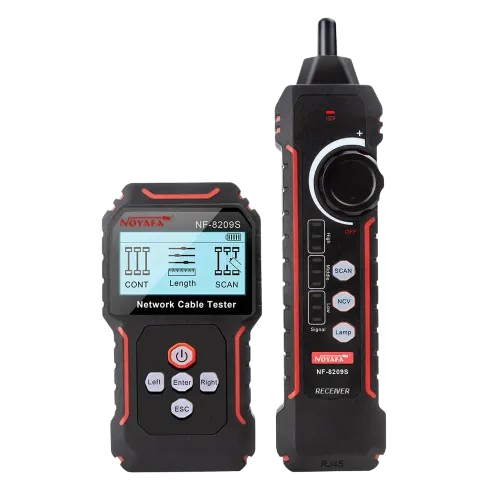
- Specialized Testers: Other types include network cable testers for verifying LAN connections, battery testers, and even automotive brake fluid testers.
Software Tools and Testers
In the context of software development, "testers" (often called QA testers or software testers) are professionals who evaluate computer systems and applications, while "test tools" are software or hardware products that support testing activities.
- Professionals: Testers work to ensure software functions correctly, meets specified requirements, and is free of bugs. This can involve different roles such as business testers or Software Developers in Testing (SDETs).
- Test Automation Tools: Software used to automate the execution of test cases and report results. Examples include Selenium, Cypress, Playwright, and Appium.
- Performance Testing Tools: Applications designed to check system performance under various loads, such as WebLOAD or Google's PageSpeed Insights.
- Utility Tools: General purpose tools like text editors (e.g., GitHub's Atom) or schema markup validators from Google Search Central that aid the testing process.