No products were found matching your selection.

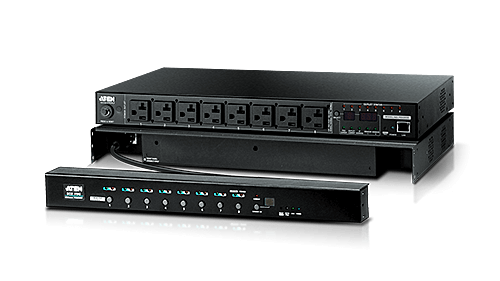
Power management is the process of monitoring and controlling the use of energy in a system to improve efficiency, reduce costs, and extend battery life. It works by turning off or switching components to a low-power state when they are inactive, and can involve a combination of hardware, operating system settings, and software. In a broader sense, it can also refer to managing power distribution in larger electrical systems, such as buildings, to ensure reliability and optimize consumption.

In computing

    • Purpose: To regulate power to components like the CPU, GPU, and hard drive to save energy without sacrificing performance when it's needed.
    • How it works: Operating systems and BIOS settings allow users to configure when different components go into a low-power state after a period of inactivity. Modern systems use standards like ACPI (Advanced Configuration and Power Interface).
  • Examples: A laptop screen dimming or turning off after a few minutes of no use, or a computer going into sleep or hibernate mode.
  • Advanced techniques: Some mobile operating systems use machine learning to predict which apps are likely to be used and manage their power consumption accordingly, a technique sometimes called "app standby". 

In larger systems

  • Purpose: To monitor and manage the power supply and consumption across a whole building or electrical infrastructure to ensure reliability and reduce costs.
  • How it works: Power management systems use sensors, meters, and a digitized power distribution network to track power quality, consumption, and events in real-time.
  • Integration: They often integrate with other building systems, such as lighting and HVAC, to create a holistic energy management strategy.
  • Components: A system might monitor the health and efficiency of equipment like transformers, generators, and switchgear. 

Key benefits

  • Energy savings: Reduces overall electricity consumption.
  • Cost reduction: Lowers energy bills.
  • Environmental impact: Reduces the carbon footprint associated with energy use.
  • Equipment longevity: Less strain on hardware can help extend its lifespan.
  • Reliability: In larger systems, this helps ensure a stable and reliable energy supply.