Fiber infrastructure is a network of optical fibers that uses light signals to transmit data at high speeds and over long distances. It serves as the backbone of modern telecommunications, enabling high-speed internet, 5G networks, cloud computing, and other data-intensive applications.
Key Components
A typical fiber infrastructure system includes three main components:
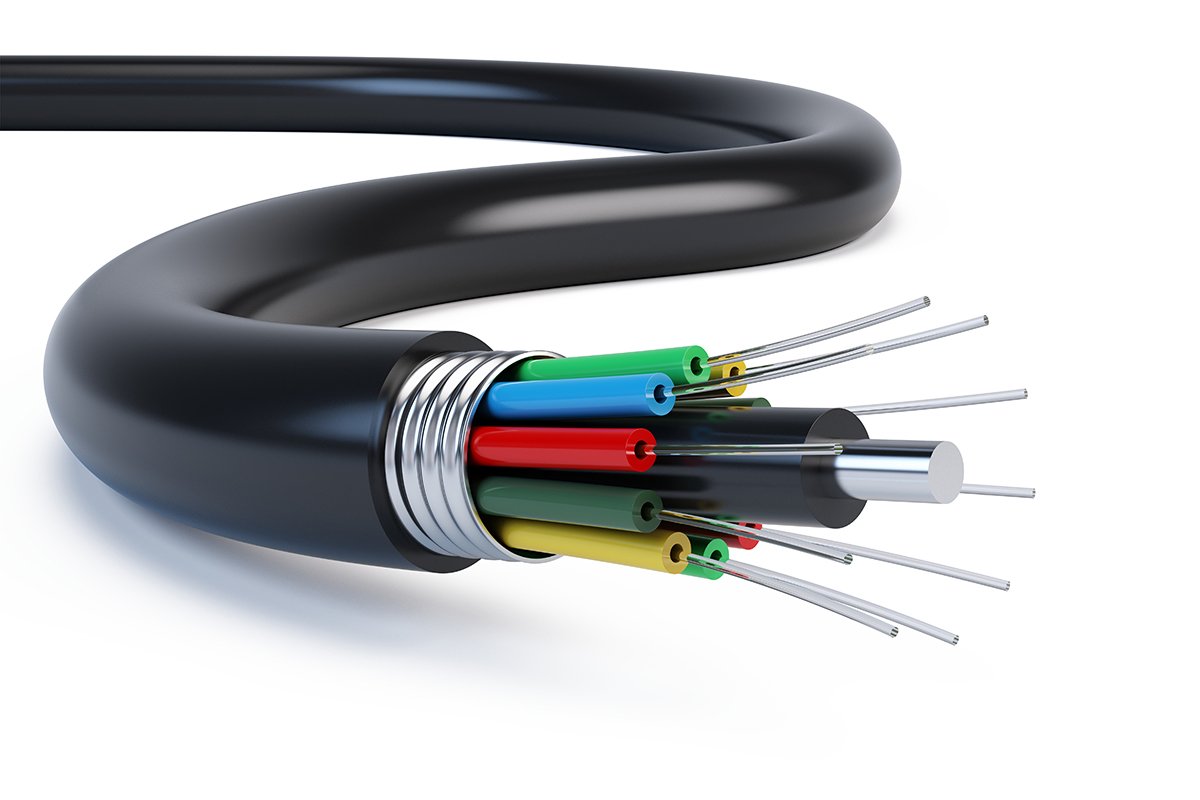
- Fiber Optic Cables: These are made of extremely thin strands of glass or plastic (the core) surrounded by a cladding layer with a lower refractive index. Light pulses travel through the core by repeatedly bouncing off the cladding via a process called total internal reflection.
- Optical Transmitters: These devices convert electrical signals from computers or network devices into light pulses (using LEDs or lasers) that can be sent through the fiber.
- Optical Receivers: At the destination, these components convert the light signals back into electrical signals, which are then processed by end-user devices or other network equipment.
Advantages Over Traditional Copper
Fiber infrastructure has largely replaced copper wiring in backbone networks due to several key advantages:
- Speed and Bandwidth: Fiber offers significantly higher bandwidth and speed, with potential speeds of up to 10 Gbps and beyond, compared to the limitations of copper.
- Distance: Signals can travel much longer distances without significant signal loss or the need for frequent repeaters.
- Reliability and Interference: Fiber is immune to electromagnetic interference (EMI), which can disrupt copper cables, ensuring a more stable and reliable connection.
- Durability and Future-Proofing: Fiber optic cables have a longer lifespan (up to 50 years) and are more durable, making them a long-term investment that can support future bandwidth demands without needing major overhauls.
Types of Deployments
The term "fiber infrastructure" encompasses various deployment strategies (collectively known as FTTx, or "Fiber to the x"):
- FTTH (Fiber to the Home) / FTTP (Fiber to the Premises): The fiber optic cable runs directly from the service provider to the individual building or home, offering the highest speeds and reliability.
- FTTC (Fiber to the Curb) / FTTN (Fiber to the Node): Fiber runs to a nearby central point (e.g., a street cabinet or node), with traditional copper wires used for the final "last mile" connection to the building. This results in slower speeds than FTTH/FTTP.
Role in the Modern World
Fiber infrastructure is considered critical infrastructure, powering essential services and technologies:
- Internet Service Providers (ISPs): Use fiber for high-speed internet services to homes and businesses.
- Data Centers: Rely on fiber for fast interconnectivity and data transfer between servers.
- Telecommunications: Forms the backbone for telephone, cable television, and internet communication, including the essential backhaul for 5G cellular networks.
- Smart Cities & IoT: Provides the high-capacity, low-latency connectivity required for smart city systems and the Internet of Things devices.